Setting the Course with Chalkboard Nautical Anchor Patterns
When you are building a brand identity or designing a campaign, the texture of your materials often speaks louder than the text itself. You might be looking for that specific aesthetic that feels both rustic and sophisticated—a style that evokes the ocean but keeps the grounded, tactile feel of a classroom or a cafe menu. This is where the intersection of typography and texture becomes critical. We often spend hours debating between a modern sans serif and a vintage serif, but sometimes the solution lies in the background. Specifically, I am looking at the utility of Chalkboard Nautical, Anchor Patterns, a set of digital assets designed to bring that specific maritime-chalk hybrid aesthetic to your work.
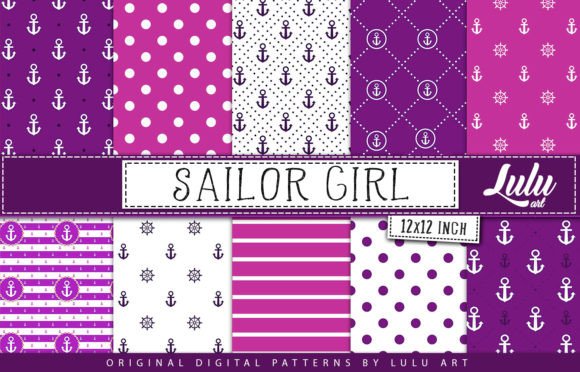
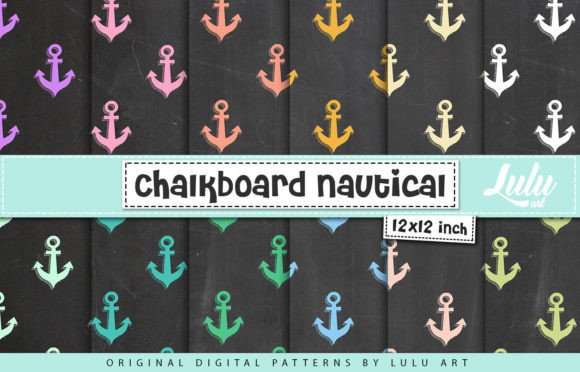
It is important to clarify immediately what this resource is. This is a collection of digital files, not physical paper. You are getting a compressed ZIP file containing twelve distinct digital paper sheets. Each sheet is formatted at a standard 12 x 12-inch size, making them incredibly versatile for both web and print projects. They are high-quality 300 dpi JPEG files, which means you do not have to worry about pixelation if you decide to print them out for physical displays, flyers, or scrapbooking projects. Additionally, the package includes a freebie: two printable chalkboard frames. These frames act as instant containers for your typography, allowing you to drop in a logo or a headline without needing to build the environment from scratch.
Visual Personality and Texture
The visual language of Chalkboard Nautical, Anchor Patterns is distinct. It captures the "chalk art" trend but filters it through a nautical lens. You get the dusty, matte finish of a blackboard, but the patterns are strictly maritime. Think anchors, ropes, waves, and knots drawn in white and cream chalk strokes. This creates a personality that is playful yet structured. It is less about the whimsy of a doodle and more about the precision of a ship’s log.
For designers, this texture solves a common problem: depth. Flat digital designs can often feel sterile. By layering these anchor patterns into the background, you introduce a tactile element that invites the viewer to look closer. It suggests craftsmanship. It feels hand-made, even though it is a digital asset. This is particularly effective if you are working with a script font or a handwritten font. The rough texture of the chalkboard pattern grounds the fluidity of the typography, creating a balance between movement and stability.
Strategic Applications for Branding and Marketing
Understanding where to deploy Chalkboard Nautical, Anchor Patterns is key to getting a return on your design investment. This is not a generic texture; it has a strong thematic direction. Therefore, it works best in specific contexts where that theme is either the main event or a supporting character.
Packaging and Physical Products
If you are a small business owner selling artisanal goods—think sea salt, candles, bath products, or local seafood—the packaging design is your silent salesperson. Using these digital papers as wrap or label backgrounds instantly communicates a coastal, organic vibe. Because the files are 300 dpi, you can print them directly onto sticker paper or cardstock for a high-end finish. It pairs exceptionally well with a clean serif font for the product name and a sans serif font for the ingredients list, ensuring readability against the textured background.
Digital Marketing and Social Media
On platforms like Instagram or Pinterest, visual stop-power is everything. These patterns work beautifully for creating "quote cards" or announcement graphics for beach resorts, sailing schools, or summer festivals. The included chalkboard frames are particularly useful here. You can place a promotional offer inside the frame, using the nautical pattern as a border. This creates a cohesive look that feels like a premium font asset even though it is primarily a background element. It helps in building a consistent brand identity that followers can recognize instantly as they scroll.
Editorial and Web Design
In editorial design, texture should be used sparingly to avoid distraction. However, for a travel blog, a seafood recipe section, or a magazine feature on coastal living, these patterns serve as excellent section dividers or sidebar backgrounds. In web design, they can be used to create a "sticky" header or a footer that anchors the page visually. The key is to ensure that your main body text remains a highly legible sans serif font or a standard serif font so that the nautical texture enhances rather than hinders the reading experience.
Technical Considerations and Workflow
As a creative professional, you know that the utility of a design asset is only as good as its technical execution. Since Chalkboard Nautical, Anchor Patterns are distributed in ZIP format, you need to be comfortable with file management. This is standard practice for design assets, but it is worth noting for those who are less tech-savvy. Once unzipped, the JPEG files are universally compatible with Adobe Photoshop, Illustrator, Canva, Procreate, and even basic mobile editing apps.
When integrating these patterns into your workflow, pay attention to the "chalk" effect. Because the anchor patterns are drawn in white/cream on a dark background, you need to consider the color of your text. Placing black text on top of these patterns will result in a loss of contrast. Instead, opt for white, cream, or very light pastel colors for your typography. This maintains the hierarchy and ensures your message isn't lost in the texture.
Evaluating Project Fit
Before committing to Chalkboard Nautical, Anchor Patterns for a large-scale project, test the mood. Does your brand voice lean towards the educational, the artisanal, or the adventurous? If your brand is ultra-modern, minimalist, or corporate (think a fintech startup), these patterns might feel out of place. They are best suited for brands that value tradition, craftsmanship, or leisure. Use them for a "Back to School" campaign with a twist, or a summer sale event. They bridge the gap between the nostalgia of chalkboards and the freedom of the sea.
Conclusion on Utility
Ultimately, Chalkboard Nautical, Anchor Patterns are about versatility within a niche. They provide a high-quality foundation for designers and entrepreneurs who want to evoke a specific atmosphere without hiring a photographer or a hand-letterer. By utilizing the 12x12 sheets and the bonus frames, you can rapidly prototype ideas, create cohesive social media feeds, or develop physical packaging that stands out on the shelf. It is a practical addition to any designer's toolkit, provided the maritime theme aligns with the project's goals.